Texas Instruments LP3852EMPX-3.3

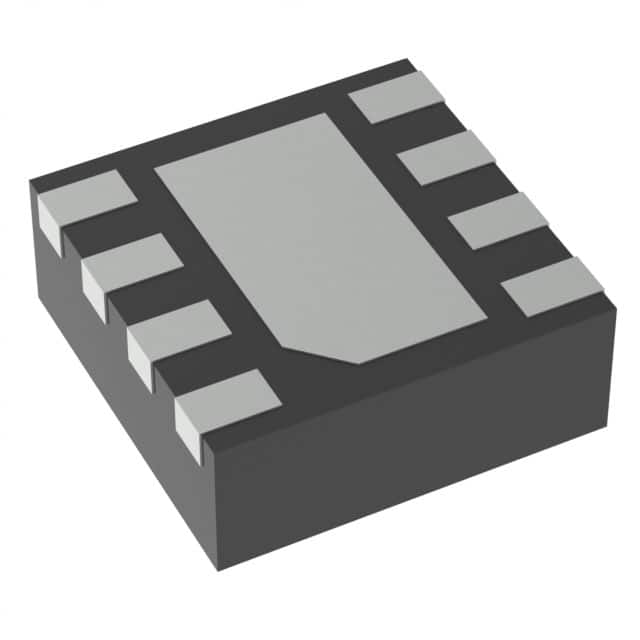
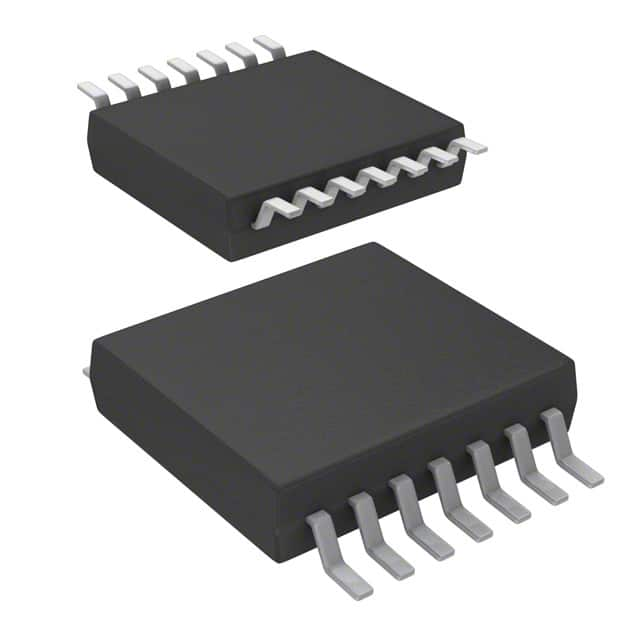
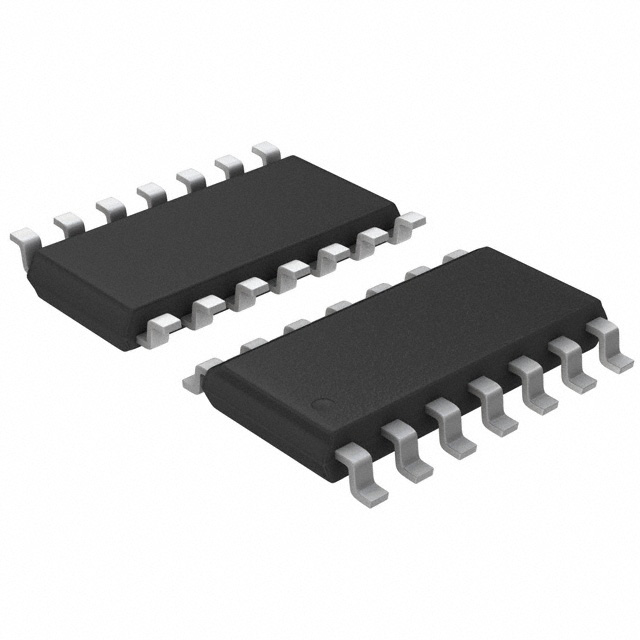
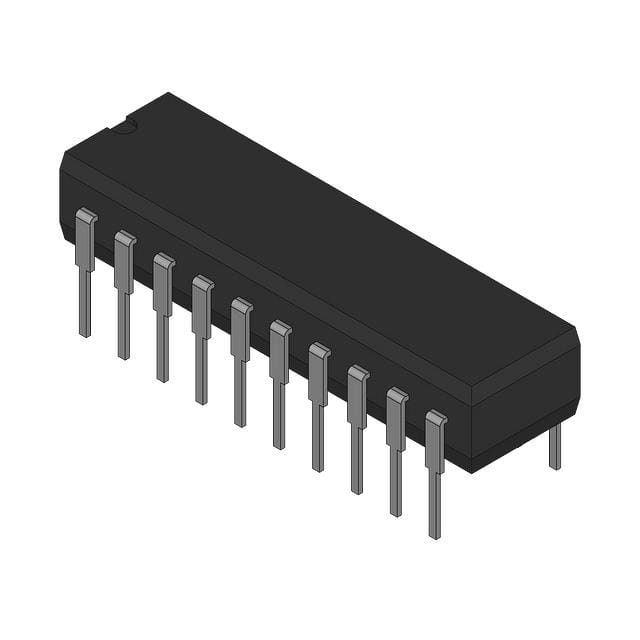
The picture is for reference only, please refer to the product specification
- LP3852EMPX-3.3
- Texas Instruments
- IC REG LINEAR 3.3V 1.5A SOT223-5
- PMIC - Voltage Regulators - Linear
- LP3852EMPX-3.3 Datasheet
- TO-261-5, TO-261AB
- Tape & Reel (TR)
-
 Lead free / RoHS Compliant
- 12840
- Spot Inventory / Athorized Dstributor / Factory Excess Stock
- 1 year quality assurance 》
- Click to get rates


What is LP3852EMPX-3.3
Texas Instruments Part Number LP3852EMPX-3.3(PMIC - Voltage Regulators - Linear), developed and manufactured by Texas Instruments, distributed globally by Jinftry. We distribute various electronic components from world-renowned brands and provide one-stop services, making us a trusted global electronic component distributor.
LP3852EMPX-3.3 is one of the part numbers distributed by Jinftry, and you can learn about its specifications/configurations, package/case, Datasheet, and other information here. Electronic components are affected by supply and demand, and prices fluctuate frequently. If you have a demand, please do not hesitate to send us an RFQ or email us immediately [email protected] Please inquire about the real-time unit price, Data Code, Lead time, payment terms, and any other information you would like to know. We will do our best to provide you with a quotation and reply as soon as possible.
LP3852EMPX-3.3 Specifications
- Part NumberLP3852EMPX-3.3
- CategoryPMIC - Voltage Regulators - Linear
- ManufacturerTexas Instruments
- DescriptionIC REG LINEAR 3.3V 1.5A SOT223-5
- PackageTape & Reel (TR)
- Series-
- Operating Temperature-40°C ~ 125°C
- Mounting TypeSurface Mount
- Package / CaseTO-261-5, TO-261AB
- Supplier Device PackageSOT-223-5
- Output TypeFixed
- Voltage - Output (Min/Fixed)3.3V
- Voltage - Output (Max)-
- Current - Output1.5A
- Output ConfigurationPositive
- Control FeaturesEnable
- Voltage - Input (Max)7V
- Number of Regulators1
- Voltage Dropout (Max)0.44V @ 1.5A
- Current - Quiescent (Iq)3 mA
- Current - Supply (Max)10 mA
- PSRR73dB ~ 57dB (120Hz)
- Protection FeaturesOver Current, Over Temperature, Short Circuit
Application of LP3852EMPX-3.3
LP3852EMPX-3.3 Datasheet
LP3852EMPX-3.3 Datasheet , Tape & Reel (TR),-40°C ~ 125°C,Surface Mount,TO-261-5, TO-261AB,SOT-223-5,Fixed,3.3V,1.5A,Positive,Enable,7V,1,0.44V @ 1.5A,3 mA,10 mA,73dB ~ 57dB (120Hz),Over Current, Over Temperature, Short Circuit
LP3852EMPX-3.3 Classification
PMIC - Voltage Regulators - Linear
FAQ about PMIC - Voltage Regulators - Linear
-
1. What are the disadvantages of linear regulators?
The disadvantage of linear regulators is that they are not efficient and can only be used in voltage reduction applications. The efficiency of a linear regulator depends on the ratio of output voltage to input voltage: turbidity = Vo: Vi. For example, for ordinary linear regulators, when the input voltage is 5V and the output voltage is 2.5V, the efficiency is only 50%. For ordinary linear regulators, about 50% of the electrical energy is converted into "heat" and lost, which is also the main reason why ordinary linear regulators are prone to heat when working. For LDO, due to its low voltage difference, the efficiency is much higher. For example, when the input voltage is 3.3V and the output voltage is 2.5V, its efficiency can reach 76%. Therefore, in LCD color TVs, in order to improve the utilization rate of electrical energy, ordinary linear regulators are used less, while LDOs are used more.
-
2. What problems will linear regulators bring to the circuit?
The problems that linear regulators bring to the circuit mainly include low efficiency and a lot of heat.
Linear The main working principle of the voltage regulator is to control the output voltage of the transistor through a current amplifier to keep the output voltage stable. This working mode causes the linear regulator to control the regulating tube through a differential voltage when adjusting the output voltage. The control tube needs to absorb part of the input voltage, which makes the efficiency of the linear regulator relatively low. In practical applications, this means that the linear regulator will convert the difference between the input voltage and the output voltage into heat energy, causing serious heating of the device, especially when the input and output voltage difference is large, this power loss will further increase, causing the device to heat up. -
3. What are the two main categories of linear and switching stabilizers?
The two main categories of linear and switching stabilizers are linear voltage voltage power and switching voltage power supply.
Linear voltage voltage power has achieved the advantages of transformer, rectification, filtering, and voltage voltage. It has the advantages of good stability, fast transient response speed, high reliability, and high output voltage accuracy. However, its transformation efficiency is low, especially when the output voltage difference is large, if the output current is also large, there will be obvious fever and hot phenomenon, and may even burn the regulator. The linear voltage voltage power supply includes two types: fixed output voltage and adjustable output voltage. According to the selection of the output current and the difference in the input output voltage difference, the design of the linear regulator needs to pay attention to the heat dissipation problem and the choice of bypass capacitors.
The switching voltage voltage power supply, also known as
We are a professional PCB manufacturer who offers comprehensive PCB manufacturing services including: professional Ceramic PCB HDI PCB Heavy Copper PCB High-TG PCB High Speed PCB High Frequency PCB Metal Core PCB PCB fabrication and PCB assembly, providing fast turnaround prototypes for high-end products.



• Prompt Responsiveness
• Guaranteed Quality
• Global Access
• Competitive Market Price
• One-Stop support services of supply chain
Jinftry, Your most trustworthy component supplier, welcome to send us the inquiry, thank you!
Do you have any questions about LP3852EMPX-3.3 ?
Feel free to contact us:
LP3852EMPX-3.3 Related Products

IC REG LINEAR POS ADJ 1.5A DDPAK

IC REG LIN 5V 1.5A DDPAK/TO263-5

IC REG LINEAR 5V 1.5A TO263-5

IC REG LINEAR 3.3V 1.5A TO263-5

IC REG LINEAR 12V 1.5A TO263-5

IC REG LINEAR POS ADJ 3A 32QFN


IC REG LINEAR 2.85V 800MA 8SOIC